

La Rioja hides surprising attractions that each year attract thousands of visitors from all over Spain and the rest of the world.
A rich heritage artistic and cultural landscape unique between vineyards and mountains, wines known and recognised worldwide, a gastronomy with authentic flavours and villages full of special places and unique traditions.
No, La Rioja can't be covered in a weekend, but if you want to discover some of the most surprising attractions to see in La Rioja take note of these 10.
1. Paisaje del vino y del viñedo en La Rioja Alta

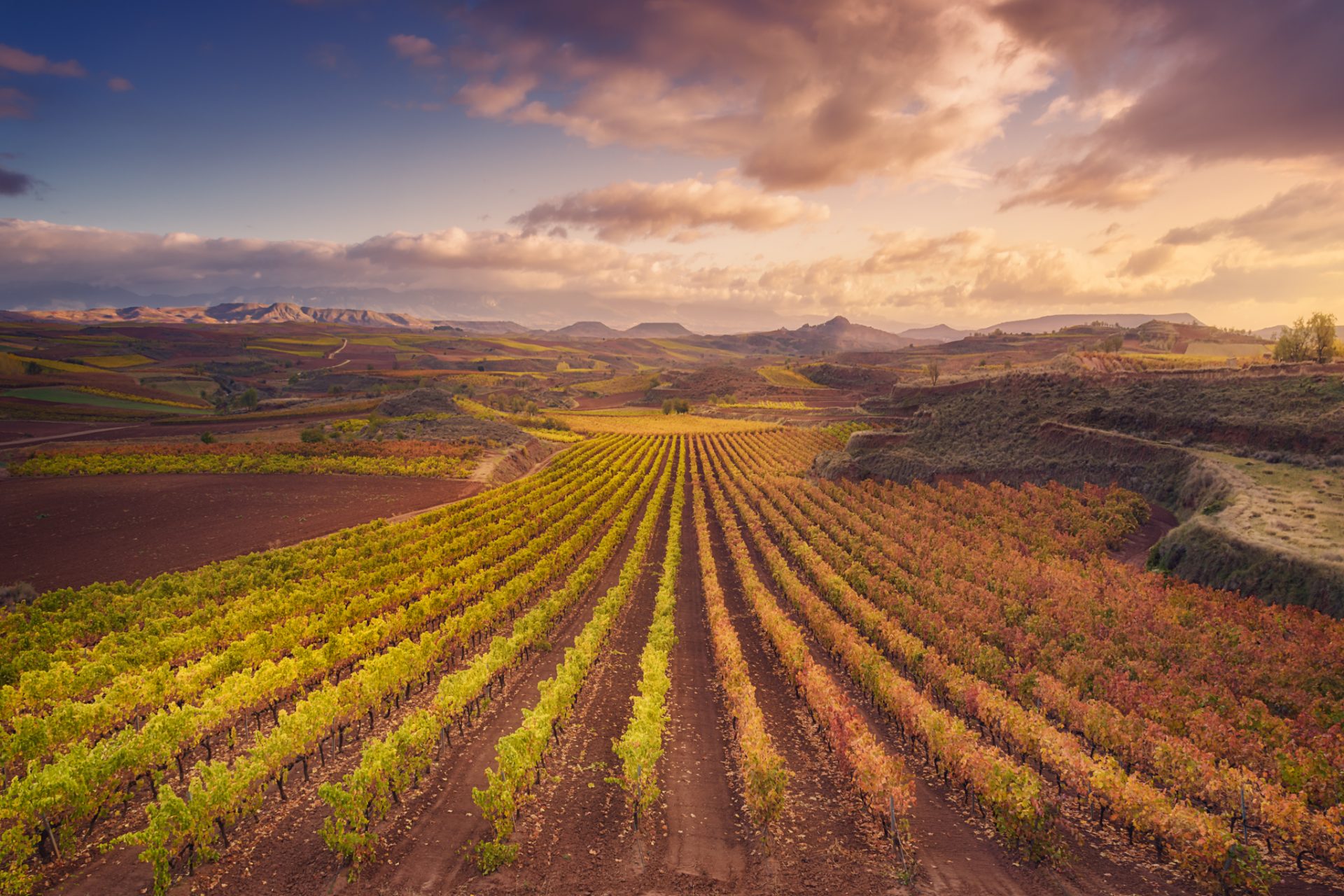
The typical Riojan landscape consists of a sea of vineyards which cover the entire Ebro valley and from which the Rioja Qualified Designation of Origin wine is born.
Las cepas que parecen dormir durante el invierno comienzan a brotar en primavera tiñendo de verde el paisaje riojano.
This breathtaking landscape at any time of the year is full of colours in the middle of autumn cuando las hojas de las vides cambian de color y se fusionan con el resto del paisaje: arboles, choperas, cultivos… creando un lienzo único que no te cansarás de mirar.
It is at this time of the year, after the harvestwhen the leaves of black grape vines turn reddish, while the leaves of white grape vines turn yellow.
Todo un espectáculo anual para ver en La Rioja no te querrás perder.

2. Monasteries of Yuso and Suso in San Millán de la Cogolla

Los Monasterios de Suso y Yuso albergan el tesoro más importante de la lengua española. Fue en el Monasterio de Suso, el más antiguo de los dos, construido a partir de la cueva donde murió el eremita San Millán en el 574, donde un monje escribió las Emilian GlossesThe first annotations in the margins of the pages are written in Latin. These annotations were written in the Romance language and the first annotations written in Basque also appear, which is why they are considered to be in the Basque language. cradle of Castilian and Basque.
He also lived in this monastery Gonzalo de Berceo, primer poeta de nombre conocido en castellano.
In the "portaliello" of the Monastery of Suso you can find the sarcófagos de los siete infantes de Lara que a pesar de su valía guerrera fueron decapitados en una emboscada ante tropas musulmanas.
For its part, the Monastery of Yuso de mayores dimensiones fue mandado construir en el año 1053 por el Rey García Sánchez III de Navarra “el de Nájera” cuando los bueyes que transportaban los restos de San Millán se negaron a seguir avanzando. El actual monasterio de Yuso se construyó entre los 16th and 18th centuries.
This group of monasteries is undoubtedly one of the main places to see in La Rioja.

3. Bodegas y vino de Rioja
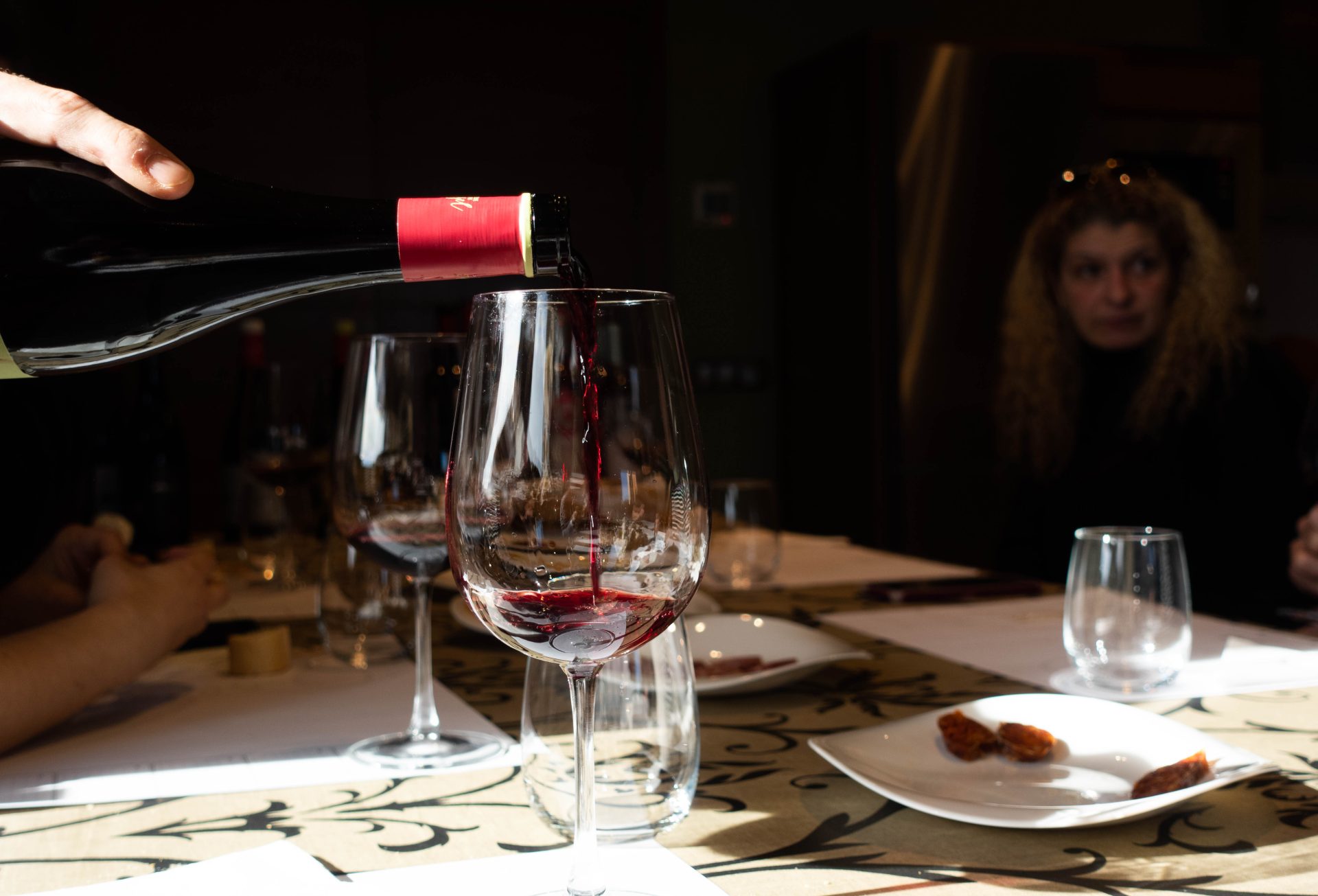
Además de contemplar el paisaje del viñedo riojano no cabe duda de que querrás adentrarte en sus bodegas y probar sus grandes vinos.
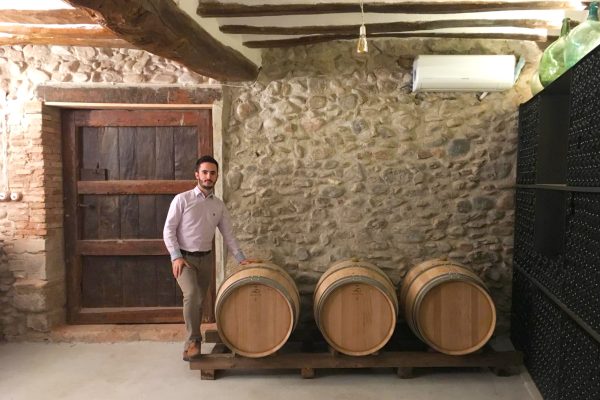
De las más de 600 bodegas que forman parte de la denominación Rioja un buen número de ellas están abiertas al enoturismo y ofrecen visitas y catas al público.
Durante la visita te mostrarán sus instalaciones y te contarán la historia de la propia bodega. Además, te darán a probar algunos de sus vinos mientras te hablan de su proceso de elaboración y de las variedades de uva utilizadas en el mismo.
Las visitas suelen durar en torno a 1.5h. Puedes echar un vistazo a nuestros anfitriones bodegueros.
4. Valdezcaray, Los Cameros y La Sierra Riojana
Para los amantes de la montaña tenemos noticias… ¡La Sierra Riojana existe!
Son muchos los que creen que en La Rioja solo hay vino y viñedos, y nada más lejos de la realidad. La Rioja también cuenta con Valdezcaray una de las estaciones de esquí del país y desde la que puedes acceder al Pico San Lorenzo es el más alto de la región desde el que ver La Rioja a 2.271 msnm.
Sin embargo, La Sierra Riojana no se limita solo a Valdezcaray, una de las regiones más bonitas de La Rioja es la Sierra de Cameros, dividida en Camero Nuevo y Camero Viejo, con pintorescos pueblos de montaña y y senderos por los que adentrarte en plena naturaleza.
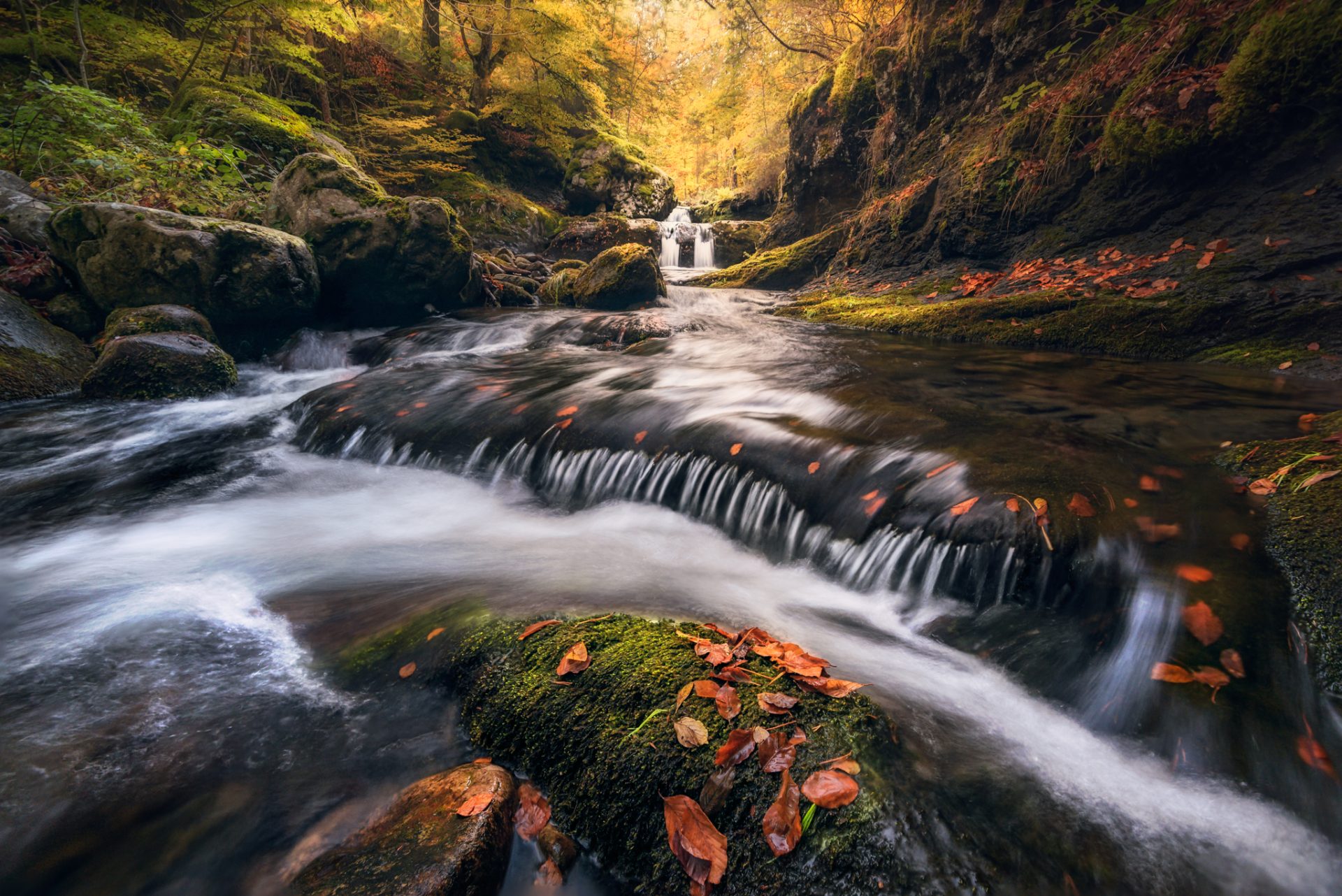
The Cebollera mountain range is the only natural area in La Rioja that has been awarded the distinction of natural park. It is a landscape that has recovered, after centuries of intense transhumance activity, extensive natural forests of Scots pine, beech and oak, with outstanding ecological and scenic values in the course of mountain streams, with waterfalls and small waterfalls in a setting of riverside woodland.
The natural park covers an area of 23,640 hectares, but if we take into account the entire extension of the Sierra de Cebollera, its surface area is 106,934 hectares.
A must to see in La Rioja and enjoy nature at its wildest. In Villoslada de Cameros, you will find the Interpretation Centre of the natural park.
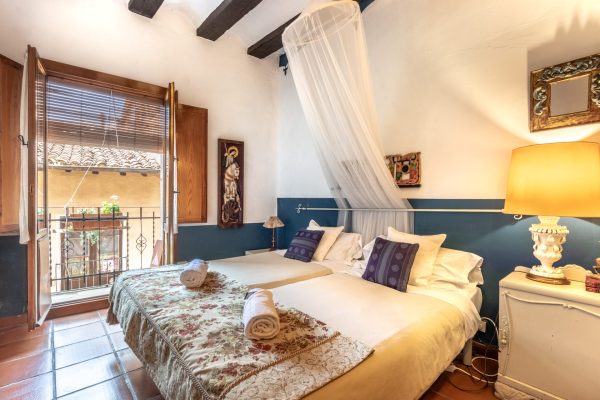
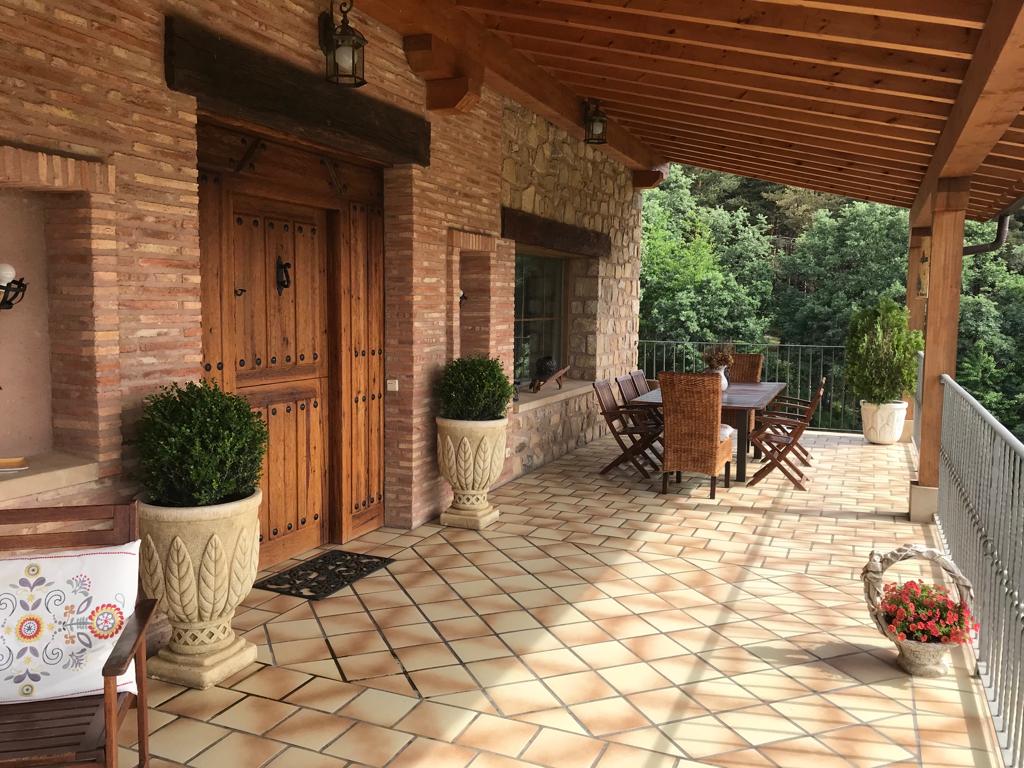
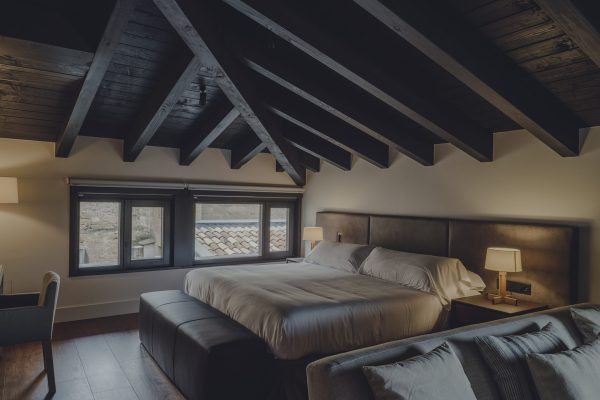
Si te decides a alojarte en esta zona de La Rioja te recomendamos Casa Rural Entrebosques in El Rasillo de Cameros.
5. Monastery of Santa María La Real in Nájera

Historically, the Monastery of Santa María La Real of Nájera es uno de los más importante de la región puesto que Nájera fue la capital del Kingdom of Nájera between 923 and 1113. It was the cradle of the Kingdoms of Navarre, Aragon and Castile.
In 1044, the King of Navarre, García Sánchez III, while hunting for falconry, found a small chapel with the Virgin, a bouquet of lilies, a lamp and a bell. Due to the triumphs in successive wars, he ordered the construction of a new chapel. the primitive temple to the Virgin of the Cave which opens in 1052.
Este templo primitivo fue el germen del present church construido entre 1422 y 1453. Una de las zonas más relevantes del monasterio es el cloister of the knights construido entre los años 1517 y 1528 y donde la lista de personajes históricos enterrados supera la treintena, pertenecientes en su mayoría a la realeza.
In the same square of the monastery you will find Meraki Gastrobar a must for a taste of the local gastronomy.

6. The Cave of the Hundred Pillars in Arnedo

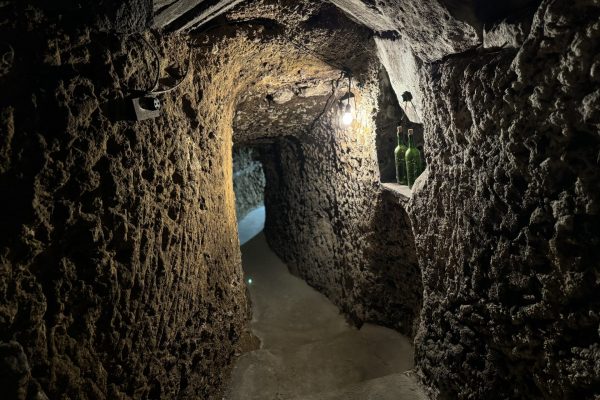
The Cave of the Hundred Pillars in Arnedo is currently the town's main tourist attraction as it is of great value. as a Rock Heritage Site.
It is located in the Cerro San Miguel and is believed to have been the location of the old monastery de San Miguel referred to in the will of Sancho Fortún, Lord of Arnedo, in the year 1063.
The guided tour departs from the tourist office of Arnedo and is priced at €7, so it is advisable to book early.
The visit begins with a brief explanation of the Church of St. Thomas the Apostle to continue walking to the Cave of the Hundred Pillars.
The first cave to visit is the Ethnographic Interpretation Centre of the Life in the Caves where you can discover the history of these curious constructions used as dwellings and for economic purposes where more than 200 families lived until the middle of the 20th century.
You can then access via a spiral staircase to what would have been the old monastery of San Miguel.
A visit that will not leave you indifferent.
7. Gastronomía Riojana entre tradición y vanguardia

Enjoying the gastronomy and Rioja wines es un imprescindible para quien visita La Rioja donde la más arraigada tradición se fusiona con la cocina de vanguardia convirtiéndose en un destino enogastronómico de relevancia.
Existen lugares con gran tradición gastronómica como es La Calle Laurel en Logroño, a tapas area con decenas de locales donde disfrutar de las mejores tapas que te puedas imaginar acompañadas de un buen Rioja. Un lugar donde turistas, viajeros y riojanos se encuentran y socializan mientras enjoy the delicacies of the earth.
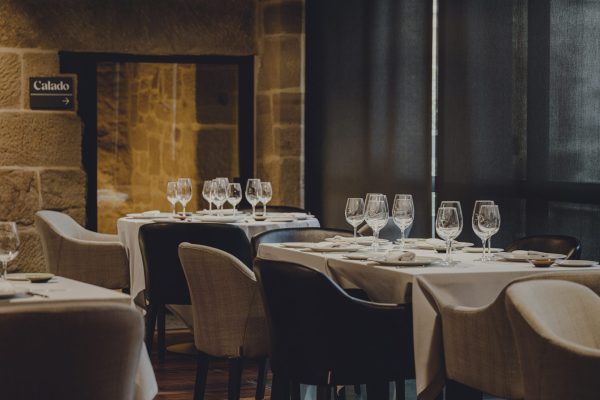
Si buscas algo más tranquilo en torno a la mesa estos son nuestros anfitriones gastronómicos.
8. Ichnite Sites in the La Rioja Mountains

In La Rioja there are several places where you can see up to 10,000 dinosaur footprints belonging to the periods of Upper Jurassic (150 million years) and Lower Cretaceous (100 million years).
This is due to the fact that at that time this area of La Rioja was a muddy region which, over millions of years and covered by other sediments, eventually solidified into rocks.
In the mountains of La Rioja you can see these sites at Ajamil de Cameros, Hornillos de Cameros, Muro en Cameros, Soto en Cameros, Terroba, Aguilar de río Alhama, Cervera de río Alhama, Cornago and Igea..
Being in Igea on Paleontological Interpretation Centre of La Rioja and in Enciso El Barranco Perdido, a multi-adventure park with a palaeontology-themed museum, and the Dinosaur Route with a 6km route on the outskirts of the village.
9. Nature Reserve of the Sotos del Ebro in Alfaro
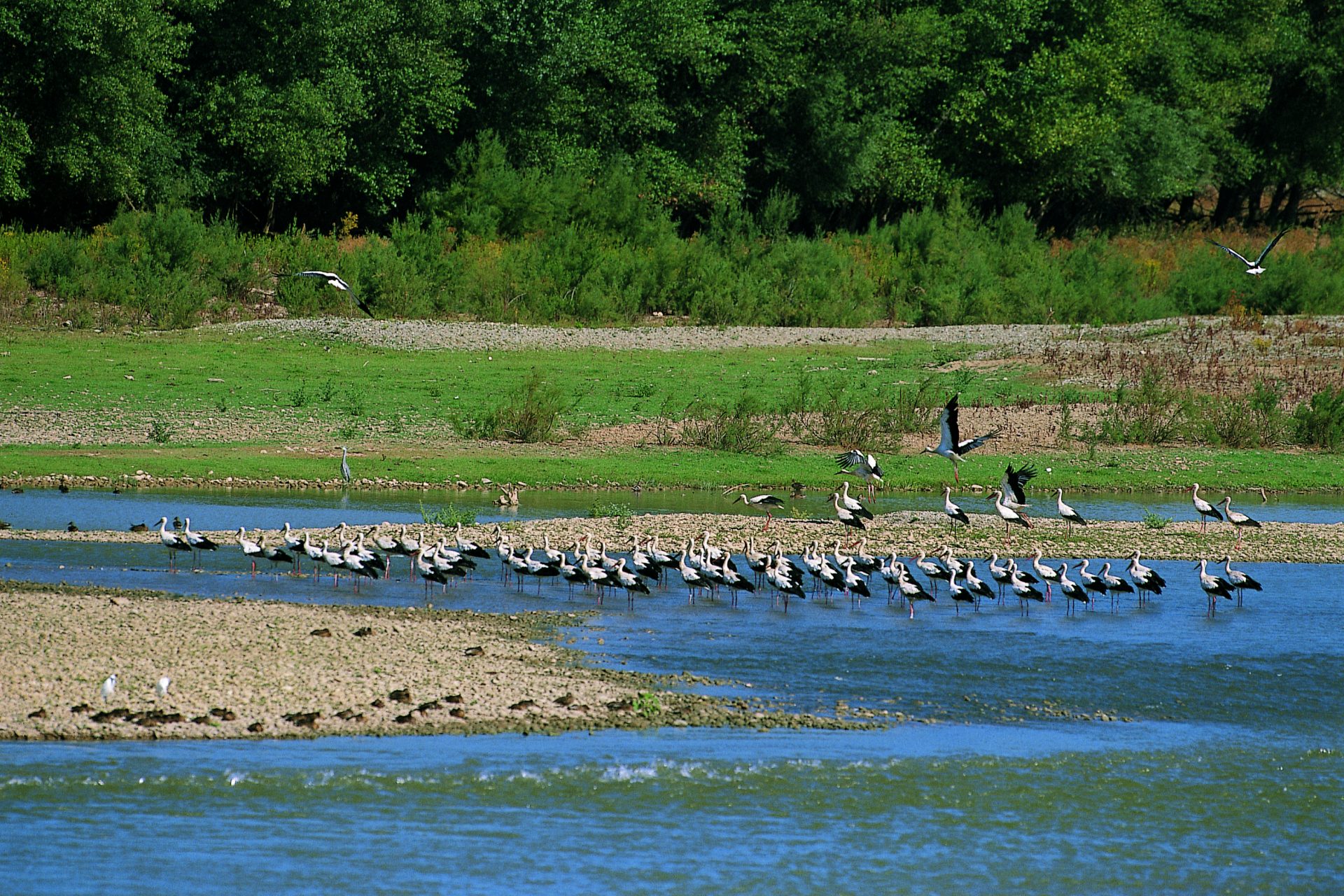
The Sotos de Alfaro are a privileged natural ecosystem from riverine forests poplars, poplars, willows, ashes and alders, and birds The stork predominates, but you can also see herons, cormorants, blackbirds, blackbirds, kites, hoopoes and kingfishers.
The Ebro River runs through this area creating meanders, islands and beaches from which to observe all the beauty of the place.
You can enjoy these spots by exploring their nooks and crannies and relaxing in their recreational area.
Si quieres probar la gastronomía de la zona visita Casa Javi in Rincón de Soto.
10. Contrebia Leucade a fascinating Celtiberian site in La Rioja
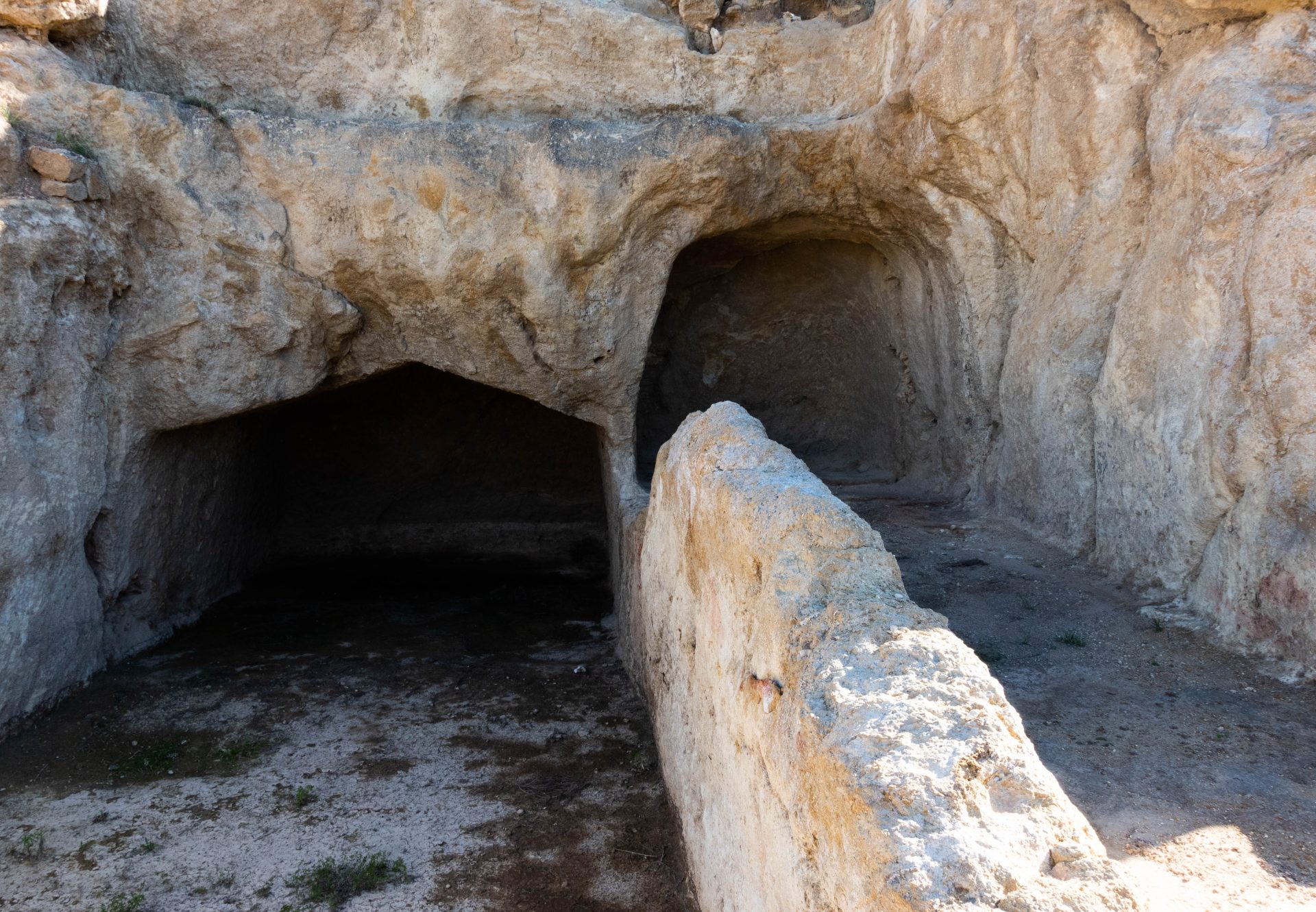
Contrebia Leucade is a Celtiberian city from the 3rd century BC, which has survived to the present day in an exceptional state of preservation, being one of the most important sites on the Peninsula.
It is a Celtiberian site of great historical value as, due to its strategic geographic location, it has been used for two thousand years by different cultures.
In Aguilar de Río Alhama is located the Contrebia Leucade Interpretation Centre where the visit begins, taking you into the way of life of its people more than 2,000 years ago in an original, fun and different way.
A 2.5 km from the village of Aguilar is the site where you must travel in your own vehicle to continue the visit in situ.
—
These 10 places to see in La Rioja give you a global vision of this land and will make you enjoy all its gastronomic, cultural, historical and natural richness.
Discover some of the secrets of La Rioja by subscribing to our newsletter.